From brisket in Texas to mustard-sauced pork in South Carolina, discover how American barbecue evolved across regions, each with its own meats, sauces and slow-smoked pride.
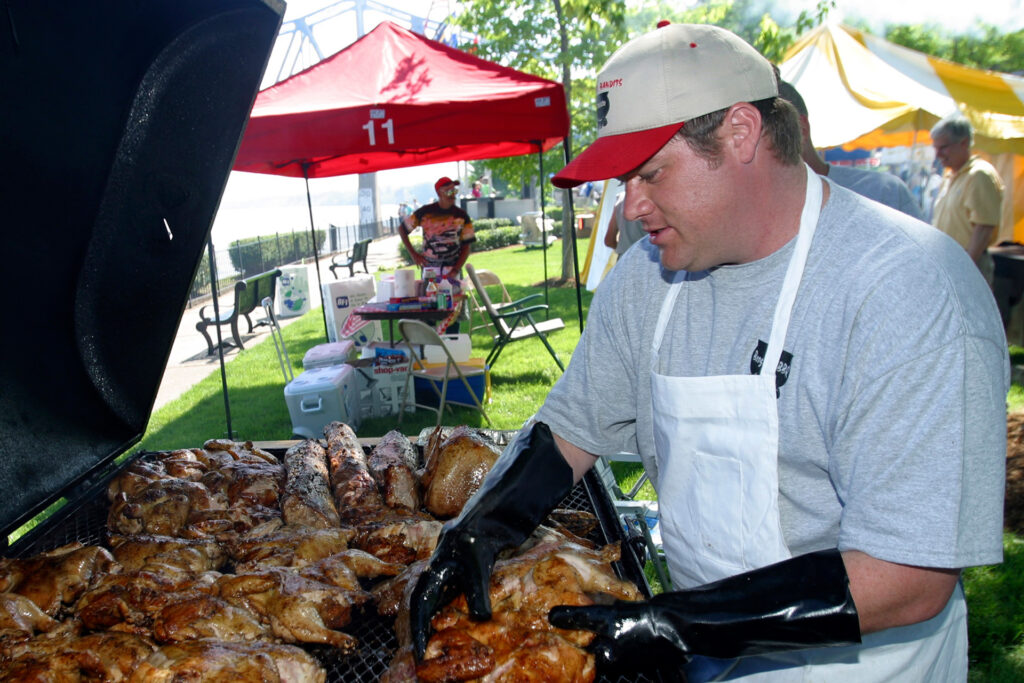
American barbecue traditions are a reflection of history, place and people. This multifaceted cuisine evolved from Indigenous Caribbean and Arawak barbacoa techniques, which involved roasting meat slowly over a wooden grate and flame. These methods blended over centuries with European, African and the culinary traditions of many immigrant groups. In the American South, this fusion took shape as a communal, labor-intensive whole-hog cooking style – often rooted in the experience and expertise of enslaved Africans, whose contributions are central to barbecue culture. Over time, the food genre has been shaped by geography, available meats and cultural preferences. Here’s how this smoky tradition took shape across the USA and what sets each regional style apart.
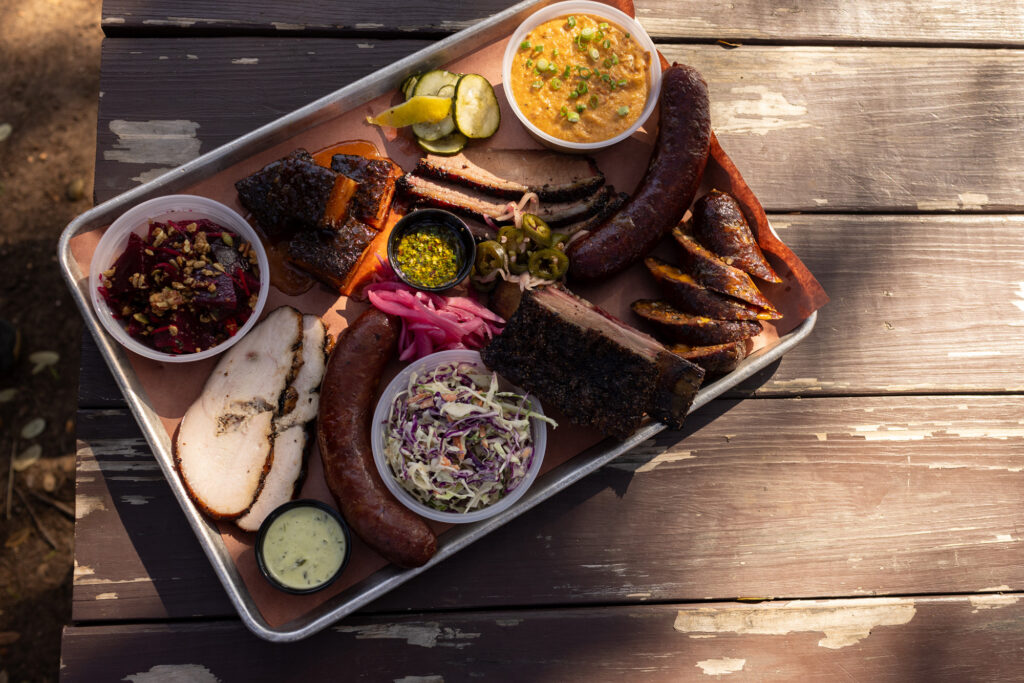
Barbecue is a way of life in Texas, where pitmasters pride themselves on low-and-slow smoked meats. Brisket may be king, but you’ll also find sausage, ribs, turkey and pork sharing space on menus across the state. Austin’s buzzing food scene includes a mix of Michelin-recognized joints and new-school smokehouses, including Interstellar BBQ, a classic joint known for its brisket and pork belly, and Si Baby Q and Loro Asian Smokehouse, where Lone Star State classics meld with flavors from across Asia.
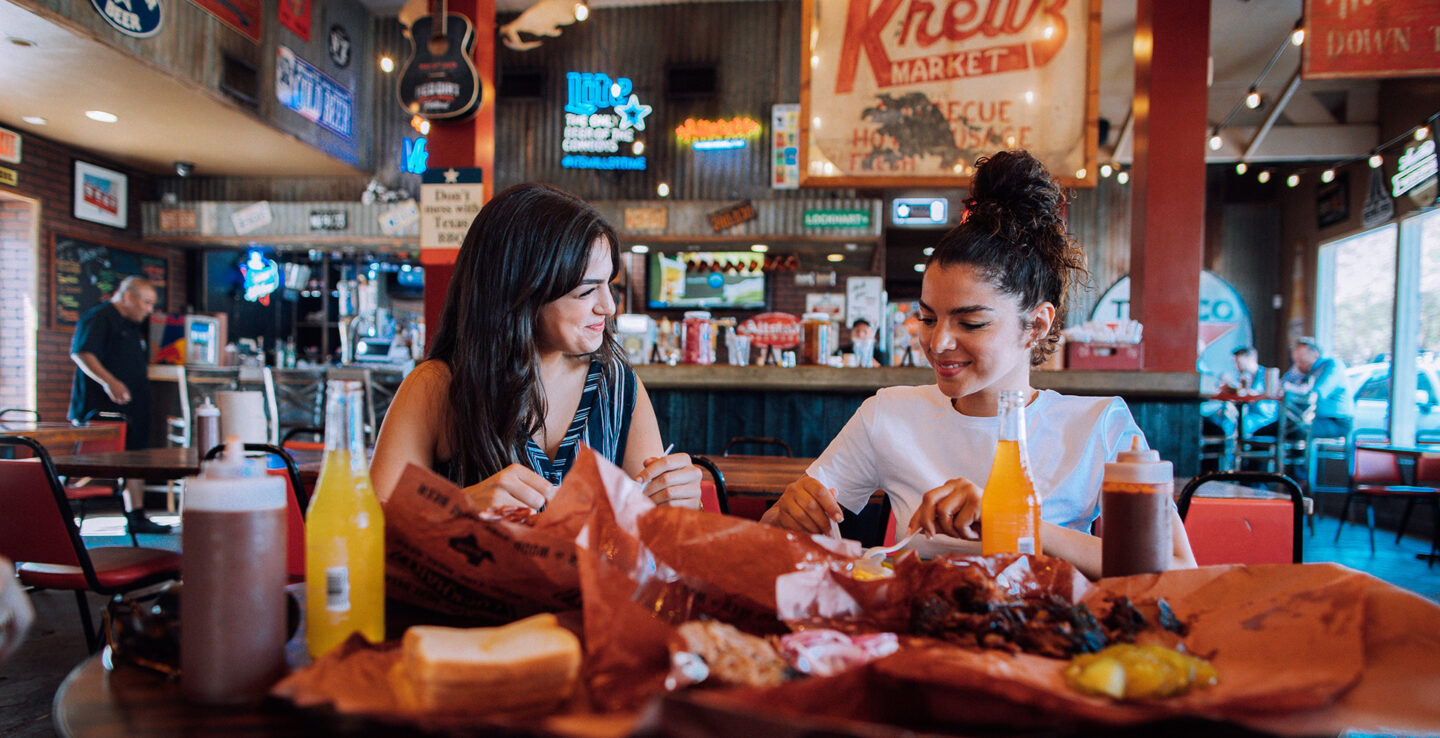
To experience the heart of Texas barbecue tradition, travel to Central Texas. In small towns like Taylor, Elgin, Luling and Lockhart, brisket, pork ribs and spicy sausages are typically dry-rubbed, smoked over post oak and served sauce-free on butcher paper with simple sides. Lockhart, officially recognized as the Barbecue Capital of Texas, has family-owned spots like Smitty’s Market that have drawn lines for over a century. Kreuz Market is another local favorite with deep local ties.
Statewide, barbecue is influenced by Texas’ diverse cultural origins. In South Texas, for example, Tex-Mex barbacoa – beef seasoned with garlic, chipotle peppers and other Mexican spices – is cooked until fall-apart tender. At events like the Houston Livestock Show and Rodeo and the San Antonio Stock Show & Rodeo, competitive cook-offs keep the barbecue tradition as lively as ever.
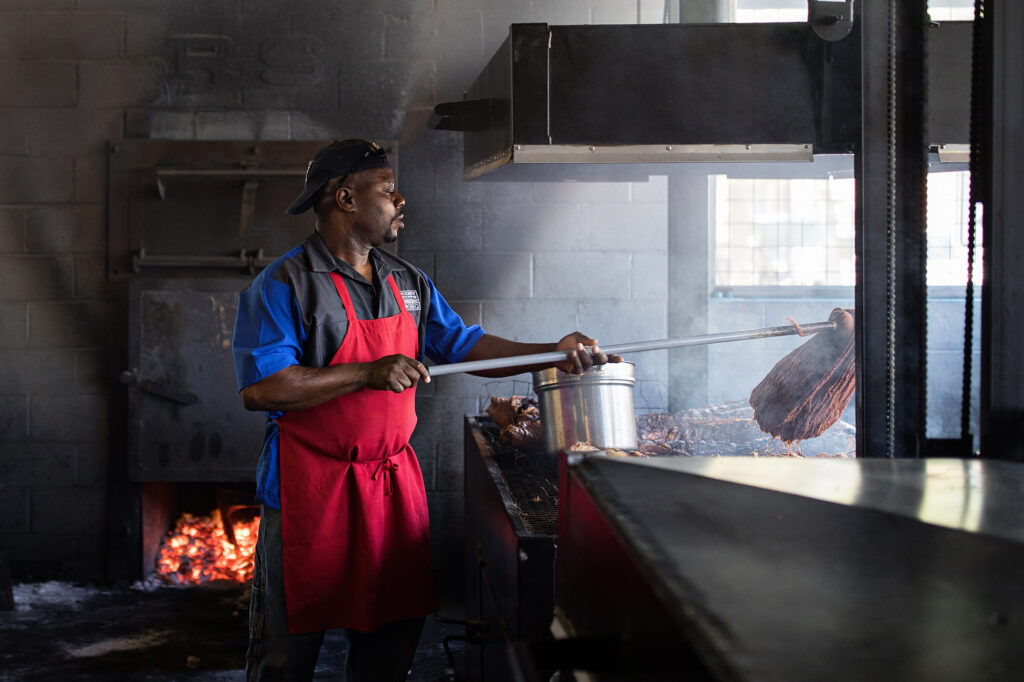
In North Carolina and South Carolina, barbecue often means pork – whole hog or shoulder – cooked low and slow over hardwood, chopped and served without frills. What sets the two states apart is the sauce, and locals are passionate about their preferences. In eastern North Carolina, whole hog barbecue is typically dressed in a thin, tangy vinegar-based sauce with salt and red pepper flakes, designed for cutting through rich, smoky meat. Try the crispy-skinned chopped pork at Skylight Inn in Ayden or the ribs at B’s Barbecue in Greenville, both known for their vinegar-forward styles. The state’s western portion glazes with a slightly sweeter “dip” (also called Piedmont or Lexington-style sauce) made with vinegar and a touch of tomato or ketchup. Sample it in sandwich form at Lexington’s Bar-B-Q Center, a longtime favorite.
In South Carolina, sauce styles vary by region. The Midlands are known for tangy, golden Carolina Gold mustard sauce, while the coast favors bold vinegar-and-pepper blends. In the Upstate, you’ll find sweeter, tomato-based or tomato-vinegar hybrids. To taste them all, pick stops from the official South Carolina Barbecue Trail, featuring more than 220 smokehouses across the state. Must-stops include Rodney Scott’s BBQ in Charleston, Scott’s Bar-B-Que in Hemingway and Mike and Jeff’s BBQ in Greenville.
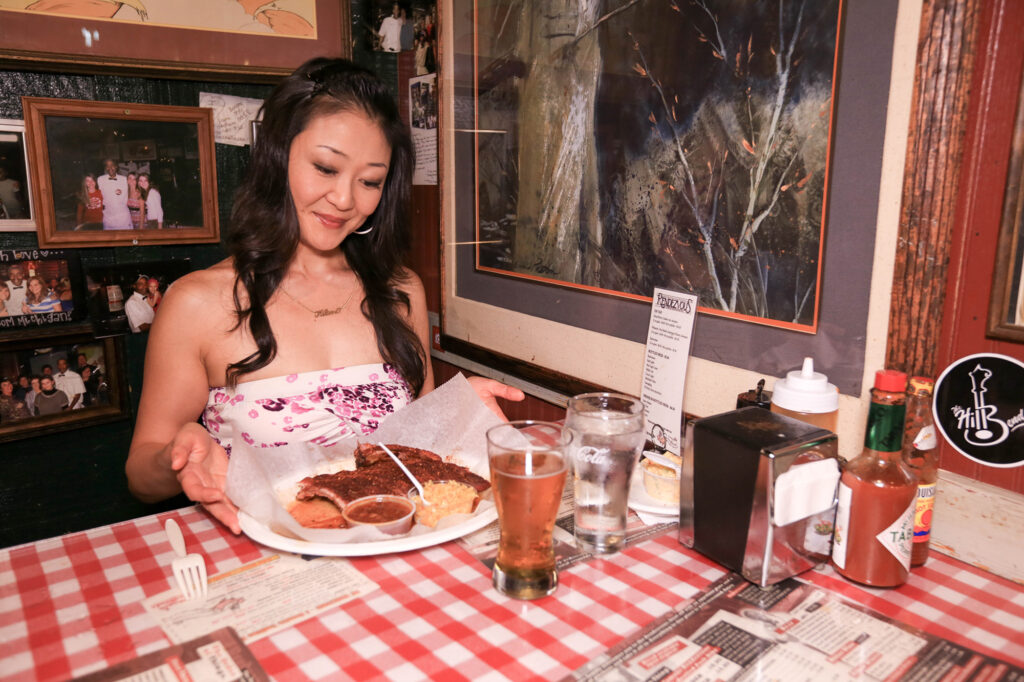
Tennessee barbecue is defined by pork slow-cooked over hickory wood, known for its intensely smoky flavor. West Tennessee, or Memphis-style barbecue, features pork ribs and shoulder prepared “wet” or “dry” – basted with a thin, tomato-based sauce or coated with a paprika- and garlic-infused seasoning blend, respectively. For a taste in Memphis, go to family-owned Charlie Vergos’ Rendezvous, which has churned out slabs of succulent pork ribs since 1948, or award-winning Central BBQ, a local chain known for its secret-recipe dry rub.
In East Tennessee, barbecue takes a different turn, drawing influence from the Carolinas. Whole hog or pork shoulder is often paired with vinegar-rich sauces that reflect the region’s Appalachian heritage and proximity to North Carolina. Other worthy stops across the state include Peg Leg Porker in Nashville for dry-rubbed ribs and chicken, and B.E. Scott’s Bar-B-Que in Lexington for West Tennessee-style whole hog barbecue, roasted over wood coals and accompanied by a vinegar-and-pepper sauce.
Missouri barbecue is another heavyweight in the USA’s smoked-meat scene, so much so that Kansas City is home to the Museum of BBQ, an interactive attraction that’s filled with photo ops and fun exhibits. Kansas City barbecue is all about slow-smoked brisket and burnt ends – laden with a thick, sweet tomato-and-molasses sauce that evolved from Memphis roots. Burnt ends, now a barbecue staple, were born at Arthur Bryant’s Barbeque in the late 1940s, where the charred, flavorful brisket tips were once handed out as freebies to customers in line. Today, they’re still a must-order at spots including Arthur Bryant’s and Joe’s KC Bar-B-Que.
On the other side of the state, St. Louis is known for backyard barbecue vibes with grilled pork steaks and spare ribs, slathered in tangy sauce. Missouri’s passion for barbecue runs deep, with more than 100 joints in the Kansas City area alone and major cook-offs throughout the year. Don’t miss flavorful detours along Route 66, with worthy stops like Missouri Hick Barbeque in Cuba and Billy Bob’s Barbecue in Springfield.

While the regions above often steal the spotlight, other places across the USA showcase standout barbecue traditions with serious flavor. In Alabama, hickory-smoked pork and chicken are staples, but it’s the tangy, mayo-based Alabama White Sauce – created by Big Bob Gibson in Decatur – that steals the show. Western Kentucky is known for its unique spin: mutton, slow-smoked and paired with a thin, vinegar-based “black dip,” with Owensboro as its epicenter.
In Chicago, smoky, saucy rib tips shine on the South Side, often made in aquarium-style smokers and paired with fries and white bread. Maryland’s pit beef, a Baltimore-style, charcoal-grilled roast beef, is typically served rare and piled onto a Kaiser roll with raw onion and horseradish-based “tiger sauce” – a Pulaski Highway staple since the 1970s. If you’re traveling to Puerto Rico, make your way to La Ruta del Lechón, a scenic stretch of Route 184 in the neighborhood of Guavate (Cayey). Along the thoroughfare, roadside lechoneras roast crispy, golden whole pigs in open-air settings that draw locals and travelers alike.
MORE TRIP IDEAS
Food & Drink
Road Trips
Route 66
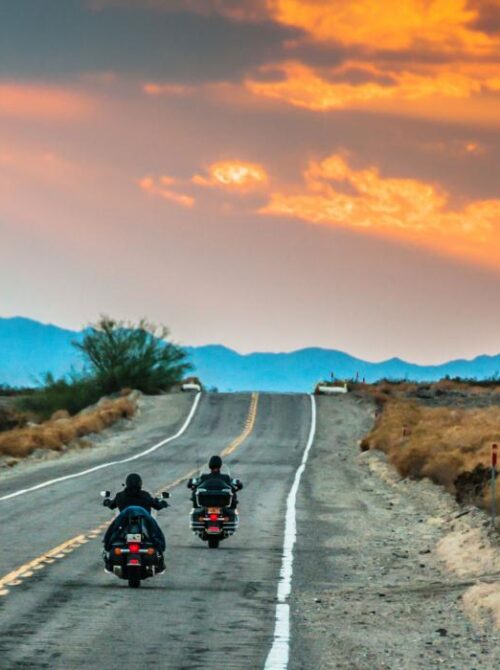
6 Places To Eat Along Route 66 From Los Angeles To The Grand Canyon
There are few better ways to experience authentic USA food than to sample the cafés and diners along iconic Route 66.
Read Article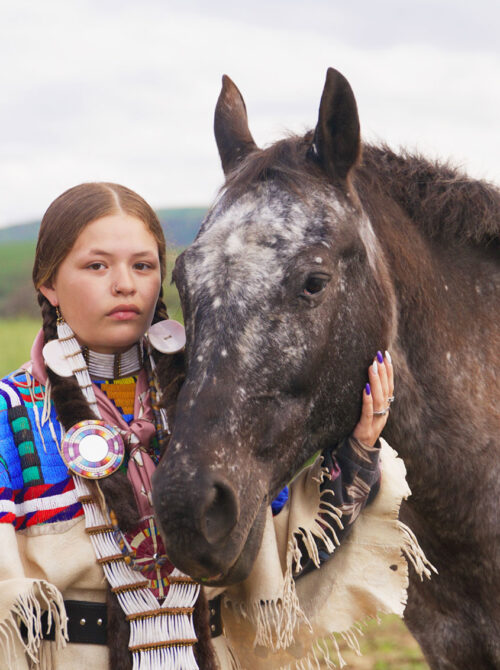
America250
Arts & Culture
Culture & History
Indigenous Heritage
Outdoors
Engaging Trails Through U.S. History
Delve into the nation’s past on captivating arts, culture and history driving routes and walking paths.
Read Article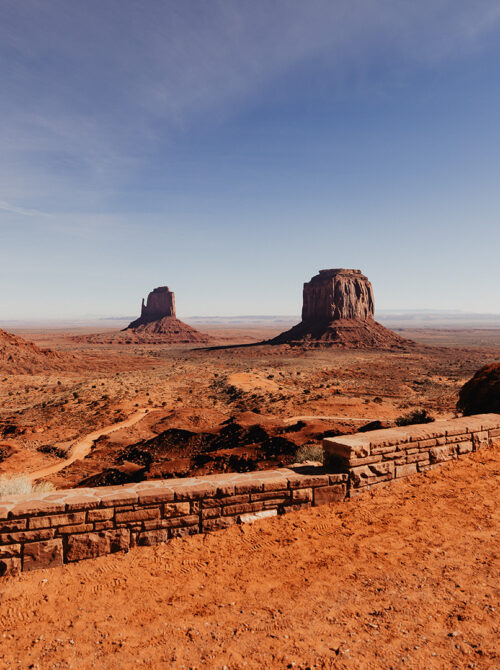
American Originals
Arts & Culture
Indigenous Heritage
Outdoors
Road Trips
Route 66
Monument Valley on the Silver Screen: Stunning Landscapes & the Spirit of the Navajo People
Monument Valley’s towering buttes and cinematic legacy set the stage for a trip full of red-rock wonders. Navajo culture and iconic film locations await at every turn.
Read Article
Arts & Culture
Family
Must-See U.S. Museum Districts: Art, History & Family Fun
The USA is home to some of the world’s most remarkable museums, where you can explore everything from ancient animals to modern artistic masterpieces.
Read Article
Arts & Culture
Luxury
Luxury Goods: High-End Shopping Districts in the USA
Shop like a star at these chic destinations where brand names are just the beginning.
Read Article
Arts & Culture
Road Trips
Southern Rhythms: A Tour of 3 Iconic Music Cities
Follow this music-inspired journey to experience three powerhouse music cities in the Southern USA.
Read Article